Most beginner golfers lose more balls because of the driver than every other club combined, and choosing the wrong easy to hit driver often turns a fun round into a frustrating walk across the rough. A forgiving driver can instantly help new players hit straighter shots, reduce slices, and gain confidence off the tee without rebuilding their entire swing.
What Is a Forgiving Callaway Driver for Beginners?
A forgiving Callaway driver is a driver designed to reduce the impact of off-center hits, helping beginners hit straighter and more consistent tee shots.
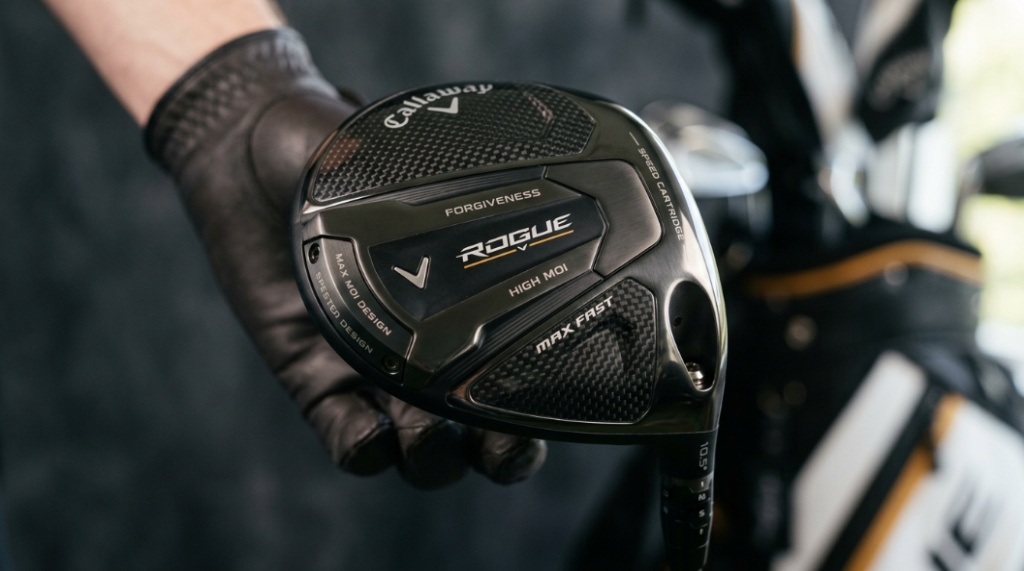
Forgiveness in golf drivers comes from features like larger clubheads, perimeter weighting, lightweight shafts, high MOI (Moment of Inertia), and draw-bias technology. Callaway has become one of the most recognized brands for producing forgiving golf clubs that help newer golfers improve accuracy and distance without requiring perfect swing mechanics.
For beginners, the right driver matters more than swing speed. A forgiving driver helps compensate for mishits and gives players more playable shots even when contact is not perfect.
Why Do Beginners Need an Easy to Hit Driver?
Beginners need an easy to hit driver because it reduces slices, improves launch, and creates more consistent ball flight on off-center strikes.
Most amateur golfers struggle with:
- Slicing the ball
- Low launch angles
- Inconsistent contact
- Loss of distance
- Poor confidence off the tee
According to golf industry fitting data, recreational golfers miss the center of the driver face more than 60% of the time. Forgiving golf clubs are specifically engineered to keep ball speed and direction more stable during those mishits.
Callaway drivers often include:
- AI-designed clubfaces
- Jailbreak technology for stability
- Carbon crowns for weight redistribution
- Adjustable loft settings
- Draw-biased weighting
These features are especially useful for high handicappers and first-time golfers.
Which Callaway Driver Is Best for Beginners?
The best Callaway driver for beginners is usually one with maximum forgiveness, lightweight construction, and slice-reducing features.
Several Callaway models consistently rank among the best forgiving golf clubs for amateur players.
| Driver Model | Best For | Main Benefit | Forgiveness Level |
|---|---|---|---|
| Callaway Big Bertha | High handicappers | Maximum slice correction | Very High |
| Callaway Rogue ST Max | New golfers | Balanced distance and forgiveness | High |
| Callaway Paradym X | Players needing launch help | High launch and draw bias | Very High |
| Callaway Mavrik Max | Slow swing speeds | Easy launch | High |
| Callaway Elyte X | Modern forgiveness tech | Stable off-center performance | Very High |
Why Is the Big Bertha Driver Popular Among Beginners?
The Callaway Big Bertha is popular because it is extremely forgiving and specifically designed to help golfers who struggle with slices and inconsistent contact.
Big Bertha drivers usually feature:
- Oversized profiles
- Draw-biased weighting
- High launch design
- Lightweight construction
- Confidence-inspiring shape
For golfers just starting out, this combination can create immediate improvement without swing changes.
How Much Loft Should Beginners Choose in a Callaway Driver?
Most beginners should choose a Callaway driver with 10.5° to 12° loft because higher loft creates easier launch and straighter ball flight.
One of the biggest beginner mistakes is choosing low loft because professionals use it. Tour players have swing speeds above 110 mph, while many beginners swing below 90 mph.
Higher loft helps:
- Launch the ball higher
- Reduce side spin
- Increase carry distance
- Improve forgiveness
Recommended loft ranges:
| Swing Speed | Recommended Loft |
|---|---|
| Below 85 mph | 11.5°–12° |
| 85–95 mph | 10.5°–11.5° |
| 95+ mph | 9°–10.5° |
Most forgiving Callaway drivers include adjustable hosels, allowing beginners to fine-tune loft later as their game improves.
Should Beginners Use Draw-Biased Callaway Drivers?
Yes, beginners who slice the ball should strongly consider draw-biased Callaway drivers because they help reduce left-to-right spin.
A slice is the most common miss among beginner golfers. Draw-biased drivers shift weight internally to encourage the clubface to close more easily at impact.
Benefits include:
- Straighter tee shots
- Reduced side spin
- More fairways hit
- Improved confidence
Popular draw-biased Callaway options include:
- Big Bertha
- Paradym X
- Rogue ST Max D
- Mavrik Max
For many new golfers, simply switching to a draw-biased easy to hit driver can instantly reduce severe slices.
What Shaft Flex Is Best for Beginner Golfers?
Most beginners benefit from regular or senior flex shafts because they help generate more clubhead speed and smoother launch conditions.
The wrong shaft can make even forgiving golf clubs difficult to control.
General shaft recommendations:
| Player Type | Recommended Shaft Flex |
|---|---|
| Slow swing speed | Senior/Lite |
| Average beginner | Regular |
| Fast athletic beginner | Stiff |
Lightweight graphite shafts are usually best for beginners because they increase swing speed and reduce fatigue during rounds.
Can the Wrong Shaft Hurt Performance?
Yes, the wrong shaft flex can reduce accuracy, lower launch, and create inconsistent ball flight.
A shaft that is too stiff often causes:
- Low ball flight
- Loss of distance
- Difficulty squaring the face
- Harsh feel at impact
Beginners should prioritize control and consistency over maximum stiffness.
How Important Is MOI in Forgiving Golf Clubs?
MOI is one of the most important factors in forgiving golf clubs because it determines how stable the driver remains during mishits.
MOI stands for Moment of Inertia. Higher MOI means:
- Less twisting at impact
- Straighter mishits
- Better ball speed retention
- Improved consistency
Callaway’s beginner-friendly drivers are engineered with high-MOI clubheads to help amateur players maintain distance even when contact drifts toward the toe or heel.
This matters because beginner golfers rarely strike the exact center of the face consistently.
Should Beginners Buy New or Used Callaway Drivers?
Beginners can save significant money by buying used Callaway drivers without sacrificing much performance.
Golf technology improves gradually. A Callaway driver from two or three years ago can still perform exceptionally well for new golfers.
Best value options include:
- Callaway Rogue ST Max
- Callaway Mavrik Max
- Callaway Epic Max
- Callaway Big Bertha B21
Buying used from reputable golf retailers can reduce costs by 30% to 50%.
What Should You Check Before Buying a Used Driver?
Before buying a used Callaway driver, inspect the face, shaft, hosel, and grip condition carefully.
Look for:
- Cracks in the crown
- Loose adjustable hosels
- Worn grips
- Shaft damage
- Deep face dents
Cosmetic scratches are normal, but structural damage can affect performance.
What Driver Head Size Is Best for Beginners?
Most beginners should use a 460cc driver head because it offers the largest sweet spot and maximum forgiveness.
Modern Callaway drivers are typically built at the legal limit of 460cc.
Larger clubheads help beginners by:
- Increasing confidence at address
- Expanding the effective hitting area
- Improving launch conditions
- Reducing punishment on mishits
Smaller heads may appeal to advanced players seeking shot shaping, but beginners benefit far more from stability and forgiveness.
How Does Callaway Compare to Other Forgiving Golf Brands?
Callaway is one of the strongest brands for forgiveness, especially for beginners needing slice correction and easy launch.
| Brand | Known For | Best Beginner Feature |
|---|---|---|
| Callaway | Forgiveness + distance | Draw-biased technology |
| TaylorMade | Ball speed | Carbon face tech |
| Ping | Maximum forgiveness | High MOI stability |
| Cobra | Value and speed | Lightweight drivers |
| Cleveland | Easy launch | Beginner-friendly shaping |
Callaway stands out because it combines forgiveness with strong distance performance across multiple handicap levels.
How Can Beginners Test a Driver Before Buying?
Beginners should test a driver by focusing on consistency, launch, comfort, and forgiveness instead of only distance.
During a fitting or demo session, pay attention to:
- How often shots stay in play
- Launch height
- Comfort at setup
- Slice reduction
- Feel and sound
Many golfers make the mistake of choosing the single longest shot instead of the most repeatable performance.
Do Beginners Need Professional Club Fitting?
Professional club fitting can help beginners, but it is not mandatory for casual players.
Even a basic fitting session can help identify:
- Correct shaft flex
- Ideal loft
- Proper driver length
- Launch tendencies
For players serious about improving, a fitting often prevents expensive buying mistakes.
What Mistakes Should Beginners Avoid When Buying a Driver?

Beginners should avoid buying low-loft, low-spin drivers designed for advanced players.
Common mistakes include:
- Choosing drivers based on professional golfers
- Buying extra stiff shafts unnecessarily
- Ignoring forgiveness ratings
- Prioritizing distance over accuracy
- Using outdated or damaged equipment
The best beginner driver is usually the one that keeps the ball in play consistently.
Can a Forgiving Driver Actually Improve Scores?
Yes, forgiving drivers can improve scores because they reduce penalty shots and keep tee shots playable.
Golf scoring data consistently shows that keeping the ball in play is more valuable than occasional long drives.
Benefits include:
- Fewer lost balls
- More fairways hit
- Lower stress on approach shots
- Improved confidence
- Faster skill development
For beginners, confidence alone can dramatically improve overall performance.
Conclusion
Choosing the right Callaway driver can make golf significantly more enjoyable for beginners. The best easy to hit driver is not necessarily the most expensive or the one used by professionals. It is the driver that helps you launch the ball consistently, reduce slices, and keep shots in play.
Forgiving golf clubs like the Callaway Big Bertha, Rogue ST Max, Paradym X, and Mavrik Max are designed specifically to help amateur golfers build confidence and improve faster. Features such as higher loft, draw bias, lightweight shafts, and high MOI technology can immediately make the game easier.
Instead of chasing maximum distance, beginners should focus on forgiveness, consistency, and comfort. A driver that keeps you in the fairway will almost always help your scores more than one extra-long drive every few holes.
If you are starting your golf journey, invest in forgiveness first. Your scorecard and confidence will thank you for it.
Frequently Asked Questions
What is the easiest Callaway driver to hit?
The Callaway Big Bertha is widely considered one of the easiest Callaway drivers to hit because it offers maximum forgiveness, slice correction, and high launch performance.
Are forgiving golf clubs worth it for beginners?
Yes, forgiving golf clubs help beginners hit straighter shots, reduce mishits, and improve consistency, making the game more enjoyable and less frustrating.
What loft driver should a beginner use?
Most beginners should use a driver with 10.5° to 12° loft because higher loft helps launch the ball more easily and reduces side spin.
Do Callaway drivers help with slicing?
Yes, many Callaway drivers include draw-biased weighting that helps reduce slices and promote straighter ball flight.
Should beginners use stiff shafts?
Most beginners should avoid stiff shafts unless they have very high swing speeds. Regular or senior flex shafts usually provide better launch and control.
Is a 460cc driver better for beginners?
Yes, a 460cc driver offers a larger sweet spot and more forgiveness, making it ideal for beginner golfers.
Can buying the right driver improve golf scores?
Yes, the right driver can improve scores by keeping more tee shots in play, reducing penalties, and increasing confidence off the tee.