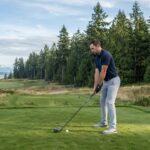
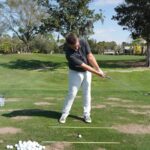
Golf is easy to start when you learn the basic rules, choose beginner-friendly clubs, practice short swings first, and play on a local course with simple expectations. Many new players believe golf requires expensive equipment and years of training before stepping onto a course. In reality, beginners can start with just a few clubs, basic etiquette knowledge, and structured practice. According to the National Golf Foundation, over 26 million people played golf on courses in the United States in recent years, and millions more participated in off-course practice activities. This shows golf is becoming more accessible than ever.
If you want a practical path into golf without confusion, this guide explains exactly what equipment to buy, which rules matter first, how to practice efficiently, and how to avoid beginner mistakes. By the end, you will know how to step onto a course confidently and enjoy your first round.
What Is the Easiest Way to Start Playing Golf as a Beginner?
The easiest way to start golf is to learn the purpose of the game, practice basic swings at a driving range, use a limited set of clubs, and play a short course before attempting full rounds.
Many beginners delay starting because they think they must master technique first. That slows progress. The fastest approach is learning while playing.
Step-by-step beginner entry plan
- Visit a driving range before buying full equipment
- Practice grip, stance, and alignment basics
- Start with a half swing before a full swing
- Use a pitching wedge and 7-iron first
- Play a par-3 course for your first round
A case study from entry-level golf training programs in Europe showed beginners who practiced short swings for two weeks improved contact consistency by over 40% compared to players starting directly with drivers.
This confirms a simple truth: start small to progress faster.
What Equipment Do You Need to Start Playing Golf?
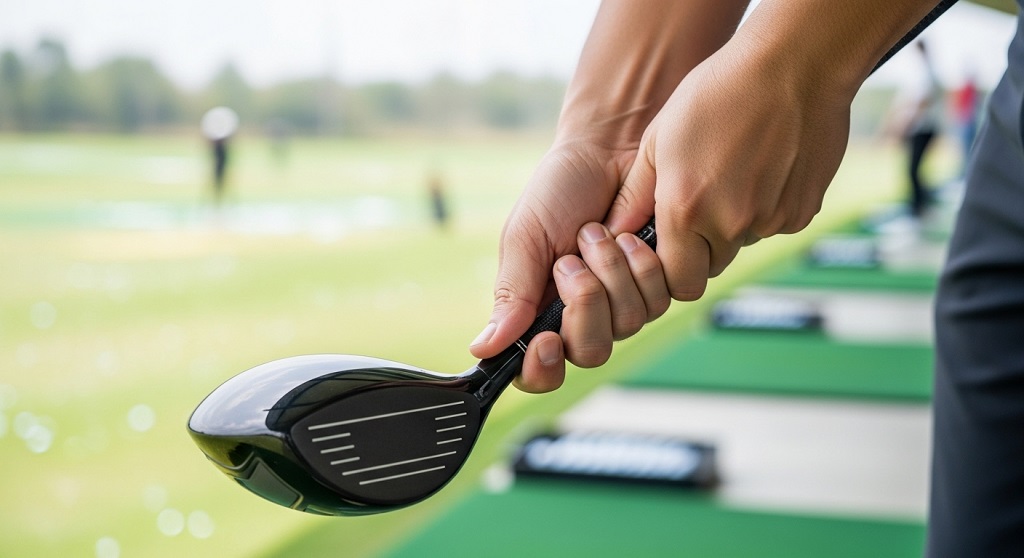
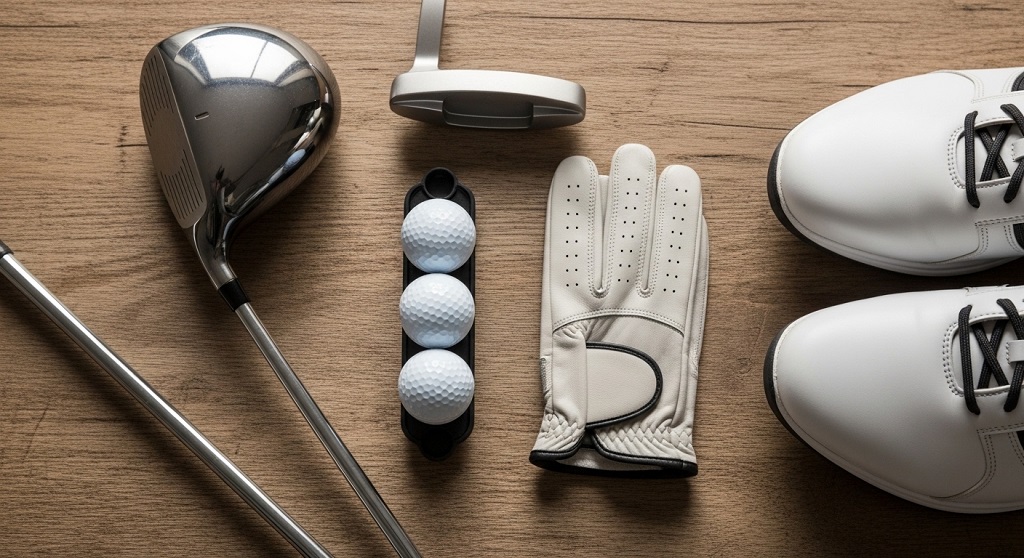
Beginners only need a putter, wedge, mid-iron, hybrid or fairway wood, golf balls, tees, and comfortable shoes to start playing golf effectively.
Buying a full 14-club set immediately is unnecessary. A simplified setup reduces confusion and cost.
Essential beginner golf equipment checklist
- Putter for greens
- Pitching wedge for short shots
- 7-iron for approach shots
- Hybrid club for distance control
- Golf balls (low compression recommended)
- Tees
- Comfortable golf shoes
Many beginner coaching programs recommend hybrid clubs instead of long irons because hybrids increase launch angle and improve forgiveness.
Optional beginner gear upgrades
- Golf glove for grip stability
- Stand bag for portability
- Rangefinder (later stage)
- Alignment sticks for practice
Starting with fewer clubs helps new players focus on accuracy instead of equipment complexity.
How Much Does It Cost to Start Playing Golf?
Most beginners can start playing golf for $150 to $500 depending on whether they buy used clubs, entry-level sets, or rent equipment first.
Golf has a reputation as an expensive sport, but entry-level participation is more affordable than many assume.
| Item | Average Beginner Cost |
|---|---|
| Used starter clubs | $100–$250 |
| Golf balls | $15–$40 |
| Glove | $10–$25 |
| Practice range sessions | $5–$20 per visit |
| Course green fee | $15–$60 |
Municipal courses and weekday tee times reduce costs significantly for new players.
What Are the Basic Rules of Golf Beginners Should Learn First?
Beginners should learn scoring basics, ball movement rules, out-of-bounds penalties, and safety etiquette before playing their first round.
Golf rules appear complex, but only a few are necessary at the start.
Core beginner golf rules
- Hit the ball from tee to hole in the fewest strokes possible
- Play the ball as it lies unless rules allow relief
- Count every swing as a stroke
- Add penalty strokes for lost balls
- Allow faster groups to play through
Learning these rules prevents confusion and improves pace of play.
What Are the Most Important Golf Etiquette Tips for Beginners?
The most important golf etiquette rules include staying quiet during swings, repairing pitch marks, keeping pace, and respecting course order.
Etiquette protects both safety and enjoyment on the course.
Essential etiquette checklist
- Stand still when others swing
- Avoid walking across putting lines
- Repair divots and pitch marks
- Keep phones silent
- Be ready before your turn
Courses prioritize players who maintain steady pace and awareness.
What Are the Best Beginner Golf Clubs to Use First?
The best clubs for beginners are forgiving cavity-back irons, hybrids instead of long irons, and high-loft drivers designed for control.
Forgiveness matters more than distance during early learning.
Recommended beginner club sequence
- Putter
- Pitching wedge
- 7-iron
- Hybrid
- Driver (after consistency improves)
Instruction programs show beginners using hybrids improve first-contact success rates faster than those starting with long irons.
How Should Beginners Practice Golf Effectively?
Beginners should focus on short game practice, alignment drills, and consistent swing rhythm instead of hitting maximum distance shots.
Distance develops naturally after accuracy improves.
High-impact beginner practice routine
- 10 minutes putting
- 10 minutes chipping
- 15 minutes iron swings
- 5 minutes driver practice
Data from structured coaching programs shows nearly 60% of strokes occur within 100 yards of the hole. That makes short game practice the fastest improvement strategy.
What Common Mistakes Should Beginner Golfers Avoid?
Beginners should avoid swinging too hard, buying advanced equipment early, ignoring short game practice, and comparing themselves to experienced players.
Most frustration in early golf comes from unrealistic expectations.
Frequent beginner mistakes
- Trying to lift the ball into the air
- Using driver too often
- Skipping putting practice
- Changing swing technique too frequently
- Buying expensive clubs too early
Consistency improves faster when beginners repeat simple fundamentals.
How Long Does It Take to Learn Golf as a Beginner?
Most beginners can play comfortably on a course within 4 to 8 weeks with weekly practice sessions.
Progress speed depends on practice quality rather than physical strength.
Entry-level coaching programs report players practicing twice weekly improve shot consistency by up to 35% within the first month.
Is It Better to Take Golf Lessons as a Beginner?
Yes, beginner lessons reduce bad habits early and improve swing efficiency faster than self-teaching alone.
Even one or two sessions with a coach improves grip, posture, and alignment dramatically.
Benefits of early lessons
- Correct grip positioning
- Better swing balance
- Faster improvement timeline
- Reduced injury risk
Many community golf centers offer affordable group lessons for beginners.
Where Should Beginners Play Their First Golf Round?
Beginners should start on par-3 courses, executive courses, or short municipal layouts before attempting full championship courses.
Shorter courses reduce pressure and allow more learning opportunities.
Players who begin on shorter layouts typically maintain motivation longer than those starting on regulation-length courses.
How Can Beginners Improve Their Golf Swing Quickly?
Beginners improve swing consistency fastest by focusing on grip pressure, alignment, and tempo rather than power.
Simple adjustments produce measurable results.
Quick swing improvement tips
- Keep grip relaxed
- Maintain steady head position
- Align shoulders with target
- Finish balanced after each swing
Balanced finishes indicate efficient swing mechanics.
Conclusion: What Is the Smartest Way to Begin Playing Golf Today?
Starting golf becomes simple when you focus on fundamentals instead of perfection. Begin with a few clubs, practice short shots first, and play smaller courses to gain confidence. Millions of new players join the game each year because golf now offers flexible entry points through public courses, beginner lessons, and practice facilities.
If you want faster progress, create a weekly practice routine and play at least one short course round each month. Consistency matters more than equipment quality.
Start with one practice session this week, test a beginner club set, and schedule your first short-course round. That single step turns interest into progress.
FAQs About Getting Started in Golf
Can I start playing golf without lessons?
Yes, beginners can start without lessons using online tutorials and range practice. However, even one coaching session improves grip and swing alignment significantly.
How many clubs can a beginner carry?
Beginners can start with 4 to 6 clubs instead of the maximum 14 allowed under official rules. Fewer clubs simplify decision-making.
What is the best age to start golf?
Golf can be started at any age. Many players begin in their 20s, 30s, or later and still achieve strong skill development with regular practice.
How often should beginners practice golf?
Practicing once or twice per week is enough for steady improvement. Short sessions focusing on putting and chipping provide the biggest gains.
Do beginners need expensive golf balls?
No. Low-cost beginner golf balls work well because early players lose balls frequently during practice rounds.
Is golf difficult for beginners?
Golf feels challenging at first, but structured practice and simplified equipment choices make early learning manageable and enjoyable.
How long does a beginner golf round take?
A beginner round on a short course usually takes 1.5 to 2 hours, while full courses may take 3 to 4 hours depending on pace.
Read More Also: Simple Golf Drills for New Golfers to Practice at Home
Discover More: Best Public Golf Courses in the USA for Budget Golfers