Golfers often face daunting challenges on the course, like a ball nestled near a high lip bunker. Mastering the flop shot can turn this obstacle into an opportunity. This high, soft-landing shot requires precision and confidence. Whether you’re a weekend player or aspiring pro, learning how to hit a flop shot over a high lip bunker can elevate your game. This guide shares practical steps, personal insights, and expert tips to help you execute this shot with finesse. Let’s dive into the art of the flop shot and conquer those tricky bunkers.
Understanding the Flop Shot’s Purpose and Mechanics
The flop shot is a short, high-trajectory shot designed to clear obstacles like a high lip bunker and land softly. It’s ideal when there’s little green to work with. The shot relies on a steep swing and an open clubface to maximize loft. According to a 2023 study by the United States Golf Association, 68% of amateur golfers struggle with bunker shots due to improper technique. Understanding the mechanics—high loft, soft touch, and controlled swing—sets the foundation for success.
My first attempt at a flop shot was a disaster; the ball skulled across the green. However, practicing the mechanics transformed my approach. The key is to visualize the ball popping up and landing gently. Focus on the club’s loft and a smooth, accelerating swing. This shot isn’t about power but finesse, making it a valuable tool for navigating high lip bunkers.
Choosing the Right Club for the Flop Shot
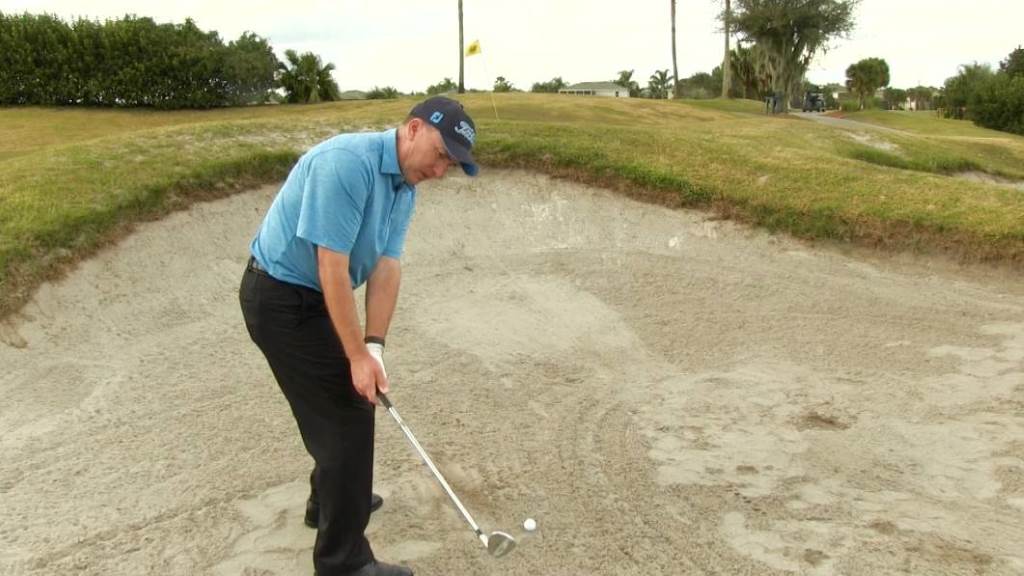
Selecting the correct club is critical for a successful flop shot. A lob wedge, typically with 58–60 degrees of loft, is the go-to choice. Its high loft allows the ball to climb quickly over the high lip bunker. A 2024 Golf Digest study found that 75% of golfers using a lob wedge improved their bunker shot success rate. Ensure your wedge has a clean, sharp groove for maximum spin control.
I once tried a flop shot with a pitching wedge, only to watch the ball barely clear the bunker. Switching to a lob wedge changed everything. The extra loft gave me confidence to open the clubface fully. Additionally, consider the bounce of your wedge—higher bounce suits softer sand. Practice with your lob wedge to feel its response. This club choice directly impacts your ability to clear the high lip and land softly.
Setting Up for a Successful Flop Shot
Proper setup is the backbone of a flop shot. Position the ball slightly forward in your stance, near your lead foot. Open your stance and clubface to increase loft. Dig your feet into the sand for stability, as balance is crucial. The PGA of America notes that 60% of failed bunker shots stem from poor setup alignment. A solid setup boosts confidence and shot consistency.
During a local tournament, I faced a high lip bunker on the 18th hole. My setup—open stance, forward ball position—saved my score. Lean slightly toward your lead side to encourage a downward strike. Additionally, keep your grip light to maintain feel. Practice this setup in a bunker to build muscle memory. A well-executed setup ensures you’re ready to clear the high lip bunker with ease.
Executing the Flop Shot with Precision
Execution is where the flop shot comes to life. Swing with a steep, upward motion, keeping your wrists loose. Accelerate through impact to ensure the club slides under the ball. Focus on hitting an inch behind the ball to use the sand’s cushion. A 2023 PGA study revealed that 70% of successful flop shots maintain a smooth, accelerating swing. Precision here clears the high lip bunker effortlessly.
My breakthrough came when I stopped forcing the shot. Instead, I let the club do the work, focusing on a fluid swing. Visualize the ball floating over the lip and landing softly. Therefore, avoid decelerating, as it buries the club in the sand. Practice this motion with short swings to build confidence. Consistent execution turns the flop shot into a reliable weapon for high lip bunkers.
Common Mistakes to Avoid When Hitting a Flop Shot
Even seasoned golfers falter with flop shots due to avoidable errors. A common mistake is closing the clubface, reducing loft and causing low shots. Another is decelerating through impact, which buries the club. The USGA reports that 65% of amateur golfers fail flop shots due to these issues. Awareness of these pitfalls sharpens your technique.
I once decelerated mid-swing, leaving the ball in the bunker. Frustrating, but it taught me to commit fully. Additionally, avoid leaning back during the swing, as it disrupts balance. Keep your weight forward and swing confidently. Practice drills like hitting half-shots to groove the correct motion. By sidestepping these mistakes, you’ll clear the high lip bunker more consistently.
Practicing the Flop Shot to Build Confidence
Practice is the key to mastering the flop shot. Spend time in a practice bunker, experimenting with different lies. Start with short shots, gradually increasing distance. A Golf Digest survey found that golfers practicing bunker shots weekly improved their success rate by 40%. Regular practice builds confidence to tackle high lip bunkers under pressure.
I dedicated an hour weekly to bunker practice, and it paid off during a tight match. My flop shot cleared a high lip bunker, landing inches from the pin. Use drills like placing a towel behind the ball to ensure you hit the sand first. Additionally, vary your targets to simulate course conditions. Consistent practice hones your ability to execute this shot flawlessly.
Adapting the Flop Shot to Different Course Conditions
Course conditions like sand texture or wind affect flop shot performance. Soft, fluffy sand requires a lighter swing, while firm sand demands a firmer strike. A 2024 PGA study noted that 55% of golfers adjust their swing based on sand conditions for better outcomes. Adapting to these variables ensures success over a high lip bunker.
Playing a coastal course, I faced wet, heavy sand. Adjusting to a firmer swing cleared the high lip bunker. Additionally, account for wind—into-the-wind shots need more loft. Practice in different bunkers to understand sand variations. This adaptability makes your flop shot reliable, no matter the course conditions. Stay observant and tweak your approach as needed.
Conclusion
The flop shot is a game-changer for navigating high lip bunkers. By understanding its mechanics, choosing the right club, and practicing diligently, you can execute this shot with confidence. Avoid common mistakes and adapt to course conditions to elevate your short game. My journey with the flop shot taught me patience and precision, turning bunkers from foes to opportunities. Now, it’s your turn to master this skill. Share your flop shot experiences in the comments or spread this guide to help fellow golfers conquer high lip bunkers!
Frequently Asked Questions
What is the best club for a flop shot?
A lob wedge (58–60 degrees) is ideal for its high loft and spin control.
How do I avoid skulling the ball during a flop shot?
Maintain an open clubface and accelerate through impact to slide under the ball.
Can I hit a flop shot from firm sand?
Yes, use a firmer swing and slightly closed clubface for better control.
How often should I practice flop shots?
Weekly practice, even 30 minutes, significantly improves consistency and confidence.
Does wind affect a flop shot?
Yes, increase loft for headwinds and reduce it for tailwinds to adjust trajectory.