Choosing the right golf shoes can dramatically improve your game. Many golfers overlook the importance of footwear, yet the wrong shoes can lead to discomfort, poor balance, and even injuries. This guide breaks down exactly what to look for when buying golf shoes so you can step onto the course with confidence and style.
Comfort is King: Why Your Feet Matter First
No matter how stylish or durable your golf shoes are, comfort must come first. Golf involves hours of walking, often over uneven terrain, so poorly fitting shoes cause fatigue quickly. Research shows that nearly 80% of golfers report foot discomfort during a round, negatively impacting focus and performance.
When evaluating comfort, pay close attention to:
- Fit: Shoes should fit snugly but never pinch. Consider width options, as many brands offer wide or narrow fits.
- Cushioning: Look for shoes with adequate padding in the sole and around the ankle.
- Breathability: Materials like mesh or perforated leather keep feet cool, preventing blisters.
In essence, comfort supports your endurance on the course, making it a critical factor in deciding what to look for when buying golf shoes.
Traction and Stability: Staying Grounded During Your Swing
Your swing generates power through a solid stance. Without proper grip, you risk slipping or losing balance mid-swing. Traction is often the most discussed feature among golf shoe experts.
Traditional golf shoes feature spikes, which dig into grass, providing excellent grip. However, many modern golfers prefer spikeless designs for their versatility and comfort. According to a study by Golf.com, spikeless shoes have gained popularity due to their lighter weight and suitability off the course, though some professionals still favor spiked models for ultimate traction.
When choosing traction:
- Spike Type: Soft spikes offer excellent grip without damaging greens.
- Outsole Pattern: Look for rubber soles with aggressive tread patterns for added stability.
- Surface Adaptability: Ensure your shoes perform well on wet or dry grass.
Traction enhances your swing’s precision, reducing the chance of mishits caused by slipping.
Durability: Investing in Long-Term Performance
Golf shoes endure exposure to moisture, dirt, and rough terrain. Therefore, durability matters. A shoe that wears out quickly can cost you more over time.
High-quality leather is a classic choice known for its longevity. Synthetic materials, such as waterproof mesh or TPU, offer durability and weather resistance at a lighter weight. According to a report by The Golf Wire, waterproof shoes extend their lifespan by preventing water damage, a common cause of early shoe failure.
When assessing durability:
- Material Quality: Full-grain leather versus synthetic options.
- Waterproof Features: Gore-Tex membranes or similar technologies.
- Construction: Seam sealing and reinforced stitching contribute to toughness.
Durability ensures your investment pays off, so don’t compromise on shoe quality.
Style and Design: Look Good, Feel Confident
Though performance should dominate, style influences your confidence on the course. Golf shoes have evolved beyond the classic white leather look. Today, you can find shoes in various colors and designs, from sleek, modern styles to traditional classics.
A survey by Golf Monthly reveals 62% of golfers believe stylish shoes positively affect their mental game. Feeling good about your gear boosts your confidence and focus.
Consider your personal style but prioritize how the shoe complements your overall golf attire. A balanced combination of function and fashion elevates your experience.
Weight and Flexibility: Enhancing Your Natural Movement
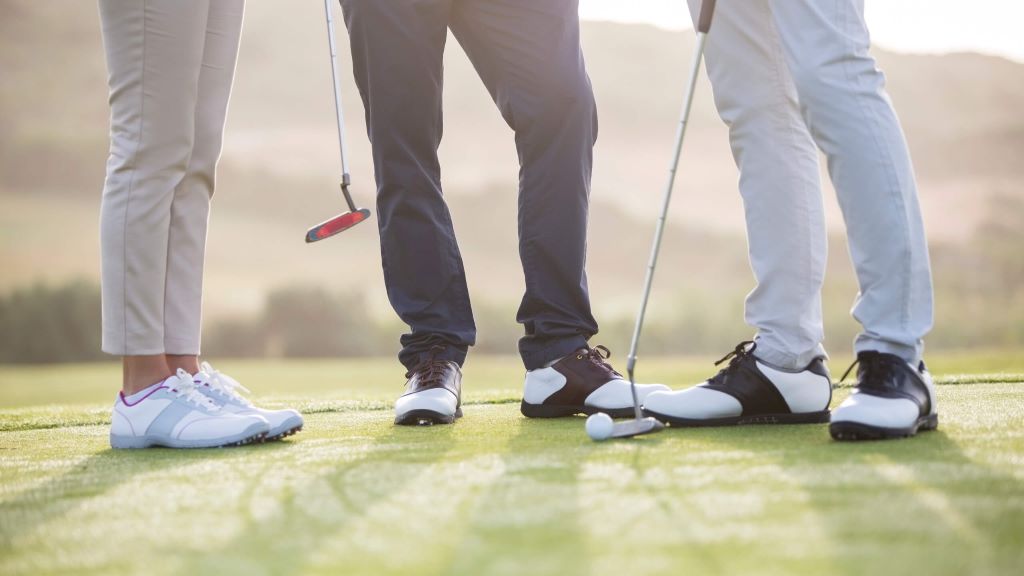
Heavy, stiff shoes restrict your foot’s natural movement, affecting your balance and comfort. Lightweight golf shoes allow more freedom and reduce fatigue.
Materials like EVA midsoles and flexible rubber outsoles contribute to better weight distribution. Flexible shoes accommodate different terrains, from fairways to rough patches, enhancing overall performance.
Golf Science Quarterly reports that flexible, lightweight shoes can reduce leg fatigue by up to 20%, proving their importance during long rounds.
Price and Value: Getting the Best for Your Budget
Golf shoes range from affordable to premium prices, but a higher price doesn’t always guarantee better quality. Determine your budget and compare features within that range.
Entry-level shoes provide basic comfort and durability but may lack advanced features like waterproofing or superior traction. Mid-range models balance price and performance, while high-end shoes often include cutting-edge technology.
Look for brands with positive reviews and warranties, which can add value. Investing wisely saves money in the long run and improves your game.
Breaking Down Popular Brands: What to Expect
Familiar brands like FootJoy, Adidas, and Nike dominate the market, each with unique strengths.
- FootJoy: Known for exceptional comfort and classic style.
- Adidas: Offers lightweight, breathable designs with modern aesthetics.
- Nike: Focuses on innovative technology and sporty looks.
Testing different brands helps you understand what aligns best with your preferences.
Crush Your Slice: Proven Techniques to Fix Your Golf Swing from Beginner to Pro
FAQs: Your Top Questions Answered
- Are spiked or spikeless golf shoes better?
Spiked shoes provide better traction on wet courses, while spikeless shoes offer versatility and comfort for casual play. - How do I know my golf shoe size?
Measure your feet at the end of the day and try shoes on with golf socks for the best fit. - Can I use regular sneakers for golf?
Regular sneakers lack the traction and support needed for optimal performance on the course. - Are waterproof golf shoes necessary?
If you often play in wet conditions, waterproof shoes protect your feet and keep them dry. - How long do golf shoes typically last?
With proper care, quality shoes can last 1-2 years depending on usage. - Should golf shoes be broken in before playing?
Yes, wearing them for short periods before a full round helps mold to your feet. - What is the best material for golf shoes?
Full-grain leather offers durability and comfort, but synthetic materials excel in lightweight and waterproof qualities.
Final Thought
Understanding what to look for when buying golf shoes involves balancing comfort, traction, durability, style, and price. The right pair supports your performance and makes each round more enjoyable. Take time to try different options and consider your playing conditions. Your feet will thank you, and so will your scorecard.
For additional expert advice, check out Golf Digest’s comprehensive footwear reviews and Golf.com’s gear guides.
Choose wisely and elevate your golf game with the perfect shoes today!
Read More:
Top Golf Gloves for Grip, Comfort, and Durability